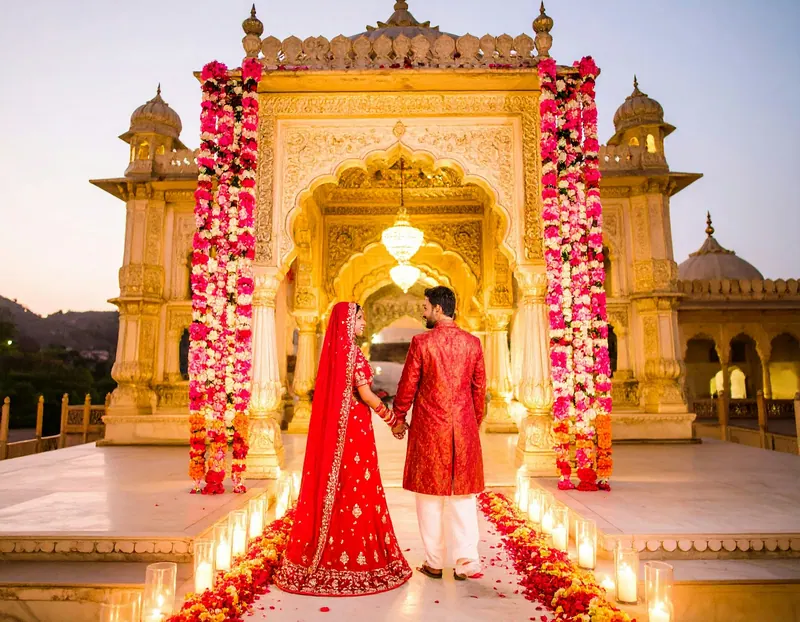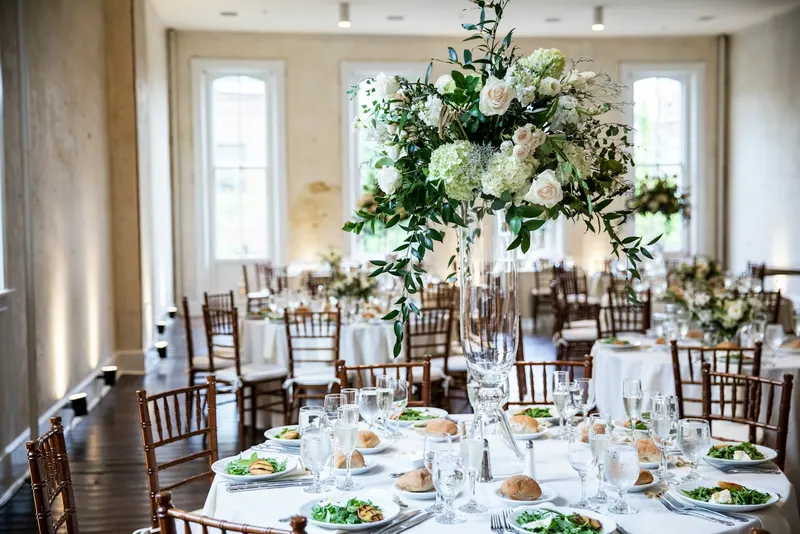
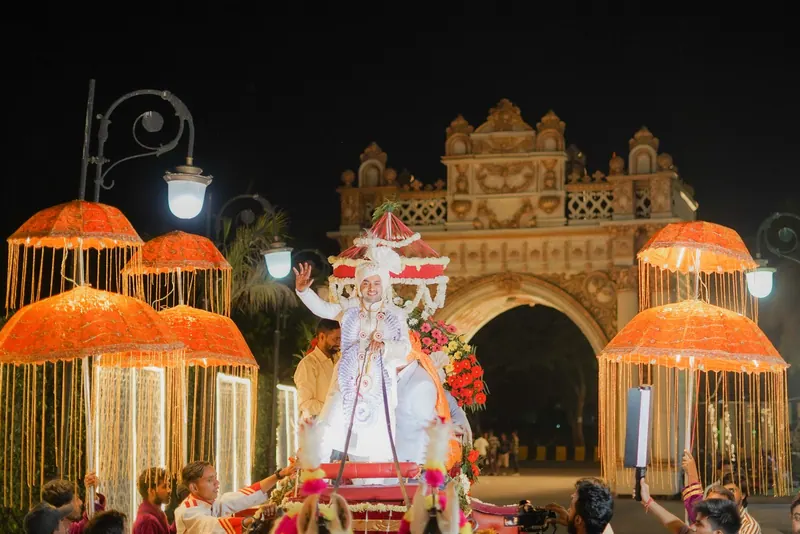
At a wedding of 400 people, the décor is what guests notice first, but the guest management is what they remember. Was someone waiting at the station when the train pulled in at 5:40 in the morning? Was the name spelt correctly on the room envelope, with a hamper waiting inside? Did the coach to the sangeet leave on time? Our production team spends as much energy on these details as on any stage. Here is how we manage guests at large weddings.
RSVPs: the number that drives everything
Indian guest lists grow, shrink and change until the final week. You cannot stop that entirely, but you can manage it.
- Build one master list. Name, family group, phone number, city, the functions they are invited to, dietary needs and whether they need a room.
- Collect RSVPs actively. A simple form or WhatsApp message with clear options works far better than waiting for replies. Then call everyone who hasn't responded two weeks before your deadline.
- Ask function by function. Many guests attend only the reception, and knowing that saves on catering for the other days.
- Plan for variance. In our experience, final attendance at a big wedding usually lands within about 10 percent of confirmed RSVPs, in either direction. Brief your caterer accordingly.
Rooming lists and hotel coordination
For destination weddings, and city weddings with many outstation guests, rooming is the single most complicated piece of the puzzle.
- Block rooms early, six to nine months ahead for peak season in the hills, and understand the release dates in your contract.
- Allocate thoughtfully. Keep elders on lower floors or close to lifts, families with children near each other and the bridal party close to the getting-ready rooms.
- Send a final rooming list to each hotel ten to fourteen days before arrival, with names, arrival and departure times, occupancy and requests such as extra beds or ground-floor rooms.
- Pre-assign keys where possible so nobody queues at reception after a long journey. We prepare welcome envelopes with keys, itineraries and Wi-Fi details.
- Keep a buffer. Hold two or three extra rooms for unexpected arrivals, vendors or the relative who decides to stay one more night.
From the production desk: every guest should know exactly one number to call for help. Put it on the welcome card, the room drop and the WhatsApp itinerary.
Hospitality desks
A well-run hospitality desk is the calm centre of a large wedding. We usually set one up at every hotel housing guests, plus one at the main venue. The desk looks after:
- Check-in help and room issues
- Printed function schedules and dress codes
- Transport timings and vehicle assignments
- Lost items, spare chargers, umbrellas and shawls
- Local errands: a pharmacy run, a tailor for a last-minute alteration, a doctor on call
Our desks are staffed by trained hospitality coordinators who carry the full guest list, rooming list and transport plan. For a 300-guest wedding that usually means six to eight coordinators across locations, working in shifts.
Transport that runs on time
Moving hundreds of people from stations and airports to hotels, and from hotels to venues, is a logistics exercise of its own. A few principles we follow:
- Match vehicles to arrivals. Collect flight and train details at the RSVP stage and build a pickup schedule. Thirty guests on the morning train from Delhi need a coach; two elders arriving by air need a sedan and a greeter.
- Use the right vehicle for the road. In Mussoorie and other hill towns, large coaches can't reach many properties, so tempo travellers and cars shuttling from a drop point work better.
- Run shuttles on a loop. For evening functions, a vehicle leaving every 20 to 30 minutes is far less stressful than one fixed departure.
- Appoint a transport captain. One person with the full vehicle list, every driver's number and a live picture of where each vehicle is.
- Plan for the late night. Guests leave the sangeet or reception in waves, so keep vehicles running until the last guest is back at the hotel.
Small touches guests remember
Once the basics run smoothly, the details start to count: a welcome hamper with local treats like bal mithai or Pahadi namkeen, a handwritten note from the couple, a warm drink on arrival in the hills, and a quick check-in call to elderly guests the morning after they arrive. None of these cost much, and all of them get mentioned afterwards.
If you are expecting a large guest list and want the hospitality to be as carefully planned as the décor, talk to us at Shrim Events. Our team has welcomed guests arriving from a dozen cities for a single wedding, and we are happy to show you how we would organise yours.